


Standard Financial Reporting
Historically, standard ‘old-school’ reports are reviewed, filed away, and revisited, sometimes, when needed, usually for the accountant. A balance sheet is something your accountant makes sense of once a year... right? While these reports are important, they are only a small part of the picture. They summarise financial information for a given period of time but typically fail to reveal patterns or the reasons why figures may, or may not, be improving. They rarely predict future cash-flow or performance.
A Profit and loss report, for example, can show that the business is profitable, and on the surface, that sounds reassuring. But profit alone doesn’t reflect the true financial position of a business. A profitable business can still experience cash-flow pressure. Timing differences between income received and expenses paid can create stress long before it appears in a standard report. Looking only at profit does not give you the whole picture.
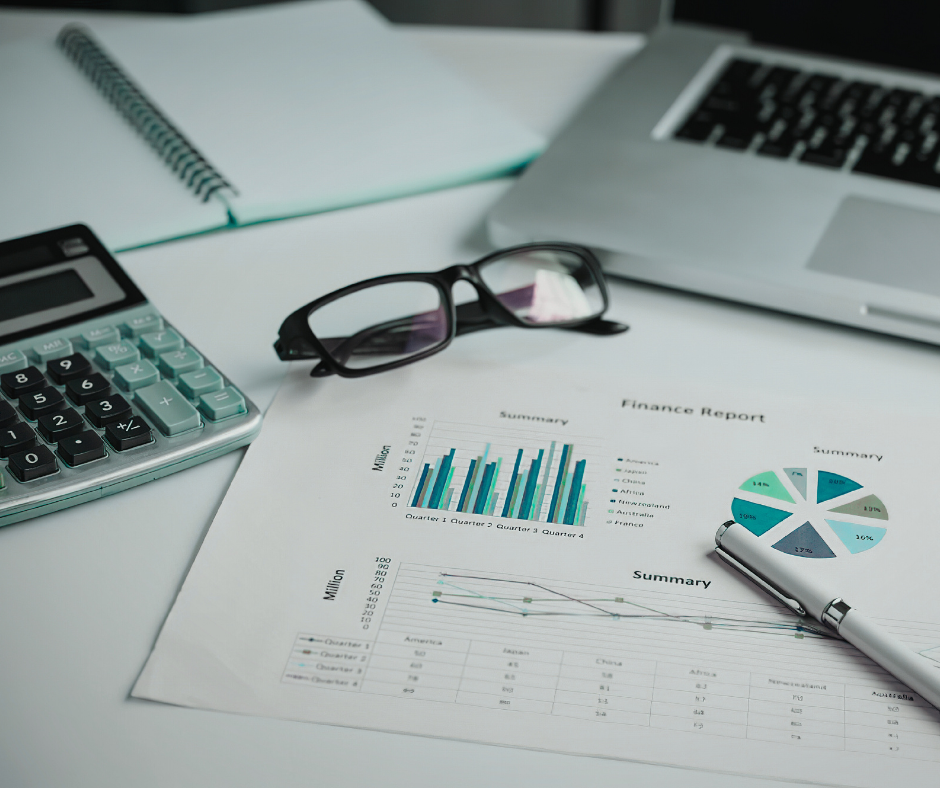
Moving from Reporting to Insight
With the business accounting software available today, reporting can move beyond data entry analysis and start to provide insights. You can start to see trends, understand what is driving performance, and compare actual results against expectations. Instead of simply confirming what has already happened, the reports generated from accounting software can now support better questions that will help make better decisions.
When you choose the ‘right’ reports, the information becomes far more practical. It can help answer questions such as:
Can the business afford to hire new staff?
Is pricing working as it should?
Which parts of the business are generating the strongest returns?
These are the kinds of questions that matter in day-to-day operations. They are also the questions that standard reports often leave unanswered.
CASE STUDY:
One of our clients had two core income-generating activities: the product they loved and had been selling since the business started; and a product released a year ago, which had been developed, ultimately, from a customer request. The business owner honestly believed the original product was their core focus and was generating the majority of their revenue. However, on closer examination and understanding data from a different perspective, he quickly understood that, although the newer product was not yet matching revenue of the original product, the trend was that the growth in this product line would quickly overtake and double revenue on the original product line. Although disappointing to our client, who really just wanted to sell his original product, this information was invaluable when it came to making marketing decisions and where staff would be needed in the future.

Understanding Visual Reporting Tools
Today’s software platforms add another layer to the information already sitting inside your accounting software. They turn raw numbers into dashboards, graphs, and tailored reports that are easier to interpret. Rather than asking you to work through pages of figures, they present the information in a way that highlights patterns as well as areas that need attention.
Visual reporting is especially valuable. It makes complex information easier to absorb. A graph showing margin decline over several months is far more useful than rows of numbers on a page. A dashboard that highlights cash flow pressure points can prompt action much earlier than a traditional report might. For leadership teams, boards, and NFP organisations in particular, visual reporting can improve understanding across your workforce and support more confident decision-making.

Changing Financial Conversations in the Workplace
Instead of focusing on what the numbers are, the discussion shifts to what the numbers mean. This makes a difference across all levels of the organisation. Better reporting helps identify risks; whether that is declining margins, rising costs, or future cash flow gaps, it gives you the opportunity to respond before cash flow issues become urgent.
There is a confidence that comes from clarity. When you have a clearer view of your financial position, and your staff are aware of where cash flow is affecting productivity, you are better placed to plan, forecast, and make decisions well in advance. That does not mean uncertainty disappears altogether, but it does mean your business decisions are based on stronger information rather than instinct alone.
The key point is simple. Most businesses already have the data they need. What might be missing is a reporting approach that turns your data into something useful. Standard reports are a starting point, but when combined with clearer insight and better visual tools, financial reporting becomes far more than just a compliance exercise. Reporting should be a practical tool for decision-making and risk management.
The numbers are already there. The value comes from learning how to read them in a way that helps you move forward.
If you have any doubts about how to set up your reporting in a way that will support your business confidence, we can help!
Call Susan at WestBAS if you want insights that could change the way you think about your business.