Cash Flow
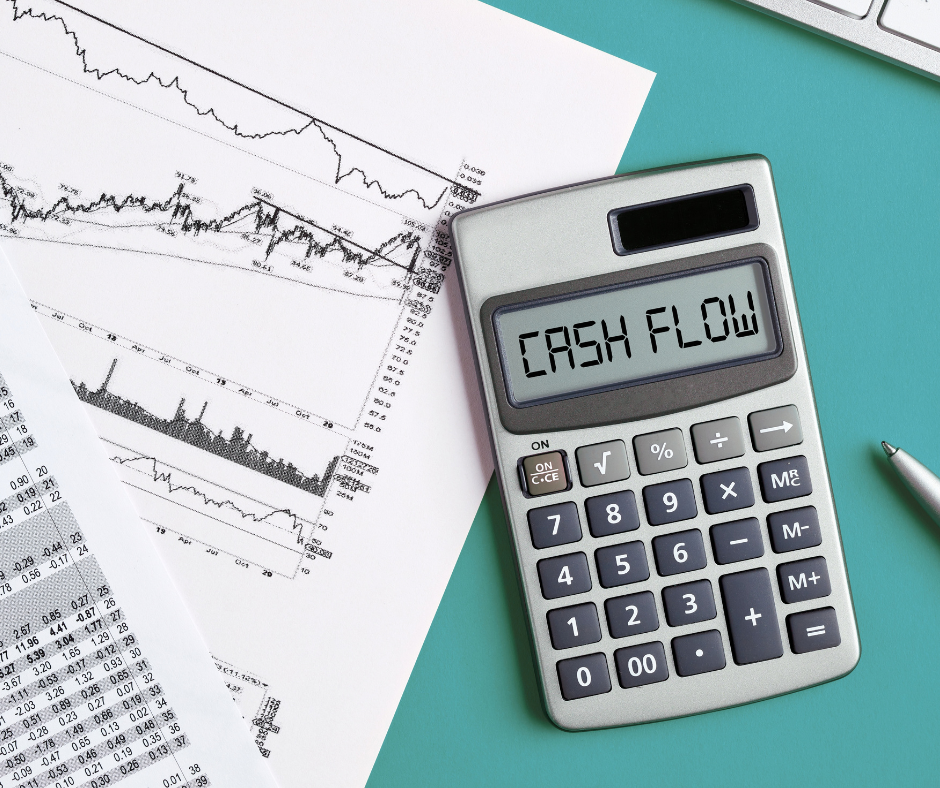
In simple terms, cash flow is the money coming into and going out of your business.
It sounds obvious, but it’s one of the most important numbers to understand. A business can be profitable on paper and still run into trouble because it doesn’t have enough cash available when bills are due.
A cash flow forecast can help you look ahead rather than simply looking at what’s in the bank. It can highlight upcoming shortages, seasonal fluctuations and periods when large expenses are likely to come in.
It’s important to know how much cash your business will realistically have available in 30, 60 and 90 days. That is often far more useful than what’s in your bank ‘today.’
The Australian Government recommends regularly updating cash flow forecasts to identify these patterns and prepare for quieter periods.
https://business.gov.au/finance/cash-flow/set-up-a-cash-flow-statement?

Debtor Days
You made the sale and sent the invoice - but when will you be paid?
Do you have strict terms for payment? Or do you work under your customers’ terms?
Knowing your debtors and how long customers take to pay you (on average) is important. If you offer 14-day terms but customers are routinely paying in 35 or 45 days, you are effectively financing that gap. You may have some customers where you agree to these types of terms, but ultimately, you need to keep your finger on the pulse.
For a business with substantial monthly invoicing, those extra days can represent thousands of dollars sitting in someone else's bank account instead of yours.
The number to know - On average, how many days does it take your customers to pay?
And don't just look at the average. Keep an eye on invoices creeping into 45, 60 or 90+ days. A growing debtor balance deserves attention.
If you’d like some advice on faster collection of customer payments and active management of debtors as a way to improve your cash flow, give us a call at WestBAS for some independent advice.

Gross Profit Percentage
Turnover gets plenty of attention, but sales alone don't tell you the whole picture.
Your gross profit is what remains after deducting the direct costs of producing the goods or services you sell.
For example, if you make $100,000 in sales and the direct cost of delivering those sales is $60,000, your gross profit is $40,000 – giving you a gross profit margin of 40%.
So, why does that percentage matter?
Without being fully aware of your gross profit percentage, you could see your turnover increasing while your profitability deteriorates. Rising supplier costs, labour costs, discounts or under-pricing can quietly eat into your margin.
Knowing your gross profit percentage, and tracking how it changes, can give you a much better indication of whether your pricing and costs are working, or if you need to adjust your pricing.

BAS – what to put away
One of the easiest traps in business is not putting enough money away to cover your BAS obligations. Every business owner knows that BAS is due monthly or quarterly, but not all business owners have a separate bank account to ensure there is enough money to pay their obligations. (If you don’t – yet – please make it an urgent consideration!)
Here’s the basic information you already know. If you're registered for GST and you’re selling to Australian customers, 10% of the money you collect belongs to the ATO. (There are a few exceptions, but mostly this is the case). If you employ staff, PAYG withholding may also form part of your BAS obligations. Depending on your circumstances, other tax payments may also be required.
Because all businesses are different, there isn't one universal percentage that should be transferred into your ’BAS account.’
A good approach is to use your bookkeeping records to estimate your percentage liability over three months and regularly transfer that money into your separate account, so it isn't accidentally spent.
A good question to reflect on - If your BAS was due today, would you know how much you owe… and is that money readily available?

Net Profit
Revenue, turnover or gross profit - is not profit until operating costs have been considered.
A business turning over $1 million isn't necessarily performing better than one turning over $500,000. What matters is what remains after the operating costs have been taken into account.
Your Profit & Loss report allows you to see your sales, expenses and resulting profit or loss, and it should be reviewed regularly.
Compare this month with last month, this quarter with the previous quarter and, where possible, this year with last year.
Look for the story behind the numbers.
Have sales increased but profit fallen? Have wages risen faster than revenue? Is one expense suddenly much higher? Has your gross margin slipped?
These changes are often more revealing than the final profit figure itself.

Money You Spend on Assets
Here’s another number that can easily cause confusion. Some money spent by the business doesn’t appear as an expense on your Profit & Loss statement.
If your business buys an asset – perhaps a vehicle, machinery, computer equipment or other significant piece of equipment – the purchase will generally be recorded on the Balance Sheet rather than appearing as an immediate expense in your Profit & Loss. Depending on the asset and applicable tax rules, its cost may be recognised over time through depreciation.
That distinction matters when you’re looking at your business performance.
Imagine your Profit & Loss shows a healthy profit for the year, but during that same period you spent $40,000 of business cash purchasing new equipment. You may understandably wonder why your bank balance doesn’t seem to reflect the profit showing in your reports.
The $40,000 purchase has reduced the cash available to your business, even though the full $40,000 may not appear as an expense on your Profit & Loss statement.
It’s another reason why business owners shouldn’t rely on one financial report in isolation. Your Profit & Loss, Balance Sheet and cash flow all tell different parts of the story.
Do you know how much cash your business has spent on assets during a particular period? And how has that affected the cash you actually have available?

Know Your Numbers Before They Become a Problem
You don't need to spend every Friday night studying financial reports, but you should be able to answer a few basic questions about your business:
Do we have enough cash?
Are customers paying us on time?
Are our margins healthy?
Are we genuinely making a profit?
Have we put enough aside for our obligations?
If you can't answer these questions confidently, that's where good bookkeeping becomes much more than data entry.
At WestBAS, we help business owners understand what is actually happening behind the numbers, so you can identify potential problems earlier, plan ahead and make better-informed decisions.
Because knowing how much money is in the bank is useful, but knowing why it's there, what needs to come out, and what's coming next is much more powerful.